Saturday, July 3, 2010

Southwest slope surface lava descending to 1200-foot elevation

This surface lava is being fed by lava tubes from the TEB eruption site far above the edge of the pali where the lava is resurfacing as A`a and pahoehoe breakouts from the 1900 down to at least the 1200-foot elevation. New flow field photos released by the USGS on their images webpage show us what the scene is up there on the mountain. I have added some text to the photo for orientation: More field lava photos and descriptive captions can be seen on the USGS link above.

(Click on the images to open a larger view window)

The photo above is a closer look at the lava breakouts high on the pali edge just above the old Royal Gardens subdivision as seen along the viewing area roadway at 10:00 PM last night with a 200mm lens.

Deflation/Inflation, or DI events of the Kilauea magma chambers are being recorded by USGS/HVO crater monitors and have displayed some pronounced swings this past week. Currently the graphs are showing some deeper deflation, which may temporarily slow the advancement of pali lava by reducing lava pressures within the eruption zones:

There are no active lava breakouts on coastal flats and no ocean entry lava at this time.

I will update these blog postings next when there are some significant changes or newsworthy reports to offer you :)

Active lava viewing prospects for the public:
1) The Halema’uma’u crater has been degassing sulfur dioxide fumes by day and glowing strongly at times after dark from lava deep within the craters pit vent. The broiling molten lava moves up and down inside this massive eruptive vent by hundreds of feet at times, in kind of a pistoning action. This raising and lowering of lava has the potential to breach the floor of the crater and likely will do so in the future. Great views of this impressive crater are from the Jaggar Museum balcony within the Hawaii Volcanoes National Park, depending on the weather; and the park is open to the public 24 hours a day with a nominal entrance fee by day..

2) Coastal viewing: Three to four hundred visitors seeking to witness lava activity have been arriving daily at the Hawaii County Kalapana viewing area: The viewing area is essentially the last mile of paved road on highway 130; the end of which is the same location where lava came onto the highway on May 5th, 2010. A walk down the road gives views of the lava fuming/degassing where it is coming down the distant pali during the day. After dark lava glow can possibly be seen in two or three places high atop the mountain slopes, which is becoming a little brighter each night as it works further down the mountain towards the coastal flats and highway 130..

Official viewing hours are from 2:00 PM until around 9/9:30 PM - everyday, with last car allowed in at 8:00 PM. On site are security personnel and a few port-o-potties at both the parking lot and at the end of the road. Vendors occasionally have drinking water and flashlights but it is best to bring both these things with you and also some decent walking shoes. This end of highway 130 is open to all traffic on all other hours.

Tuesday, June 29, 2010

Pali lava slowly moving down – glowing bright at night ~ Small quake on coast

The photo above was taken from the Hawaii County lava viewing road parking area on highway 130 at 10:00 PM last night. (Click on any of the images to open a larger view window)

The 350 visitors who drove down to the Hawaii County viewing area road-walk enjoyed a beautiful afternoon walk along the road, many gathered at the high spot on the road at dusk and into nightfall to watch the pali lava glow come on.

This surface lava is being fed by lava tubes from the TEB eruption site far above the edge of the pali where the lava is resurfacing as A`a and pahoehoe breakouts from the 1900 and 1600-foot elevation.

A 3.6 earthquake shook the southeast coast of the Big Island at 8:55 this morning, six-miles northwest of Ka`ena point and at a depth of 21-miles:


Halema’uma’u Crater has been going through cycles of varied lava levels within the crater’s eruptive pit vent, which has often manifested during the day with distinct changes in its sulfur dioxide plume strength (and varied glow brightness at night). The two photos below, captured directly from the USGS/HVO cam demonstrate this well:

Below: May 22nd, 2010

Above: Today, June 29th, 2010


As I have posted before; there are no active lava breakouts on coastal flats and no ocean entry lava at this time, but there has been some new heat arriving into the April-May Quarry flow field and manifesting visually when ocean waves break onto the new lava shoreline creating steam where there recently was none. It is very likely that the Quarry flow lava plumbing system is being re-energized by molten lava further up the mountain, which could further lead to a reemergence of lava within the coastal flats flow fields.

I will update these blog postings next when there are some significant changes or newsworthy reports to offer you :)

Active lava viewing prospects for the public:
1) The Halema’uma’u crater has been degassing sulfur dioxide fumes by day and glowing strongly at times after dark from lava deep within the craters pit vent. The broiling molten lava moves up and down inside this massive eruptive vent by hundreds of feet at times, in kind of a pistoning action. This raising and lowering of lava has the potential to breach the floor of the crater and likely will do so in the future. Great views of this impressive crater are from the Jaggar Museum balcony within the Hawaii Volcanoes National Park, depending on the weather; and the park is open to the public 24 hours a day with a nominal entrance fee by day..

2) Coastal viewing: A one mile walk to the very end of highway 130; this is the same location where lava came onto the highway there on May 5th, 2010 but the lava there has now cooled, though is still hot a short distance away. The lava fuming/degassing can be seen coming down the distant pali during the day. After dark lava glow can possibly be seen in two or three places high atop the mountain slopes.

Official viewing hours are from 2:00 PM until around 9/9:30 PM - everyday, with last car allowed in at 8:00 PM. On site are security personnel, a few port-o-potties at both the parking lot and at the end of the road, vendors occasionally have drinking water and flashlights but it is best to bring both these things with you and also some decent walking shoes. The road is open to all traffic on all other hours.

Saturday, June 26, 2010

Clear skies, full moon and distant surface lava

Full moon as seen from the viewing area on highway 130 last night.
(Click on the image to open a larger view window)

The 300 visitors who drove down to the Hawaii County viewing area road-walk enjoyed a beautiful afternoon sunset and rising full moon, soon to be followed after dark by some bright surface lava along the top edge of the distant pali.

This surface lava is being fed by lava tubes from the TEB eruption site far above the edge of the pali where the lava is resurfacing as A`a and pahoehoe breakouts.

There are no active lava breakouts on coastal flats and no ocean entry lava at this time, but there has been some new heat arriving into the April-May Quarry flow field and manifesting visually when ocean waves break onto the new lava shoreline creating steam where there recently was none. It is very likely that the Quarry flow lava plumbing system is being re-energized by molten lava further up the mountain, which could further lead to a reemergence of lava within the coastal flats flow fields.

I will update these blog postings next when there are some significant changes or newsworthy reports to offer you :)

Active lava viewing prospects for the public:
1) The Halema’uma’u crater has been degassing sulfur dioxide fumes by day and glowing strongly at times after dark from lava deep within the craters pit vent. The broiling molten lava moves up and down inside this massive eruptive vent by hundreds of feet at times, in kind of a pistoning action. This raising and lowering of lava has the potential to breach the floor of the crater and likely will do so in the future. Great views of this impressive crater are from the Jaggar Museum balcony within the Hawaii Volcanoes National Park, depending on the weather; and the park is open to the public 24 hours a day with a nominal entrance fee by day..

2) Coastal viewing: A one mile walk to the very end of highway 130; this is the same location where lava came onto the highway there on May 5th, 2010 but the lava there has now cooled, though is still hot a short distance away. The lava fuming/degassing can be seen coming down the distant pali during the day. After dark lava glow can possibly be seen in two or three places high atop the mountain slopes.

Official viewing hours are from 2:00 PM until around 9/9:30 PM - everyday, with last car allowed in at 8:00 PM. On site are security personnel, a few port-o-potties at both the parking lot and at the end of the road, vendors occasionally have drinking water and flashlights but it is best to bring both these things with you and also some decent walking shoes. The road is open to all traffic on all other hours.

Friday, June 25, 2010

Surface lava high on pali expands but with little downhill advancement ~ Full Moon

While many sections of the Hawaii Islands face drought conditions and wildfire threat, lower Puna district has been getting some nice Trade Showers, which often produce morning and afternoon rainbows too. Those visitors walking the highway 130 lava-viewing road at Kalapana Gardens saw some nice double rainbows the past few days.

Ever notice how double rainbow color bands are mirror opposites of each other? (Click on the images to open a larger view window)

Below is what we are seeing up high on the mountain to the northwest from highway 130 lava walk road after dark on most nights. I took this photo at 10:00 PM last night and if we compare this with previous nights this past week (the last image below) we can see the small advancement the lava has made along the edge of the pali. Apparently the surface lava up there is swelling and expanding around itself but not heading down slope by much. This type of shield-building lava does have the potential of suddenly breaking out and moving quickly. Above: June 24th

Above: June 19th from same location.

This surface lava is being fed by lava tubes from the TEB eruption site far above the edge of the pali where the lava is resurfacing as A`a and pahoehoe breakouts.

There are no active lava breakouts on coastal flats and no ocean entry lava at this time.

I will update these blog postings next when there are some significant changes or newsworthy reports to offer you :)

Active lava viewing prospects for the public:
1) The Halema’uma’u crater has been degassing sulfur dioxide fumes by day and glowing strongly at times after dark from lava deep within the craters pit vent. The broiling molten lava moves up and down inside this massive eruptive vent by hundreds of feet at times, in kind of a pistoning action. This raising and lowering of lava has the potential to breach the floor of the crater and likely will do so in the future. Great views of this impressive crater are from the Jaggar Museum balcony within the Hawaii Volcanoes National Park, depending on the weather; and the park is open to the public 24 hours a day with a nominal entrance fee by day..

2) Coastal viewing: A one mile walk to the very end of highway 130; this is the same location where lava came onto the highway there on May 5th, 2010 but the lava there has now cooled, though is still hot a short distance away. The lava fuming/degassing can be seen coming down the distant pali during the day. After dark lava glow can possibly be seen in two or three places high atop the mountain slopes.

Official viewing hours are from 2:00 PM until around 9/9:30 PM - everyday, with last car allowed in at 8:00 PM. On site are security personnel, a few port-o-potties at both the parking lot and at the end of the road, vendors occasionally have drinking water and flashlights but it is best to bring both these things with you and also some decent walking shoes. The road is open to all traffic on all other hours.

Full Moon today
CURRENT MOON

Tuesday, June 22, 2010

Pali lava advance is slow ~ New USGS maps and photos


(Click on the image to open a larger view window)

USGS/Hawaii Volcanoes Observatory has surveyed the active zone of the TEB(Thanks Giving Eve Breakout) vent’s rootless shield eruptive lava and posted their findings, including the overview map and photo above. In the photo, looking northwest, we can see a large section of the hot rootless shield, the TEB fuming tube system as well as the Kupaianaha eruption site and Pu`u O`o crater fuming in the distance.

While looking at the large size of this map take note of the TEB yellow line and brighter red areas just above Royal Gardens. It is the lower edges of this active lava I have been posting photos of this past couple of weeks, as seen from the coast looking mauka and as shown in my previous posting below:
The photo above was taken (Sunday the 19th) night 600-feet further southwest up the road from the Hawaii County visitors parking area near the terminus of highway 130. Looking west-northwest, this image was taken at 10 PM with a 70mm lens and shows the surface lava reflecting into low clouds across the top edge of the pali above the old Royal Gardens subdivision as well as some bright orbs of A`a on the surface at about the 1800-foot elevation. No longer can we see any reflective glow from the Pu`u O`o because, according to USGS/HVO reports, the lava pond within the crater subsided during the recent DI deflation event.

After nightfall, visitors were able to see this pali glow as they walked southwest down the road from the parking lot to where the road is elevated a bit and clear of roadside trees. As is often the case, we had a few light rain showers waft through but most of the evening was a beautiful starry night along this part of the coast.

This surface lava is being fed by lava tubes from the TEB eruption site far above the edge of the pali where the lava is resurfacing as A`a and pahoehoe breakouts.

There are no active lava breakouts on coastal flats and no ocean entry lava at this time.

I will update these blog postings next when there are some significant changes or newsworthy reports to offer you :)

Active lava viewing prospects for the public:
1) The Halema’uma’u crater has been degassing sulfur dioxide fumes by day and glowing strongly at times after dark from lava deep within the craters pit vent. The broiling molten lava moves up and down inside this massive eruptive vent by hundreds of feet at times, in kind of a pistoning action. This raising and lowering of lava has the potential to breach the floor of the crater and likely will do so in the future. Great views of this impressive crater are from the Jaggar Museum balcony within the Hawaii Volcanoes National Park, depending on the weather; and the park is open to the public 24 hours a day with a nominal entrance fee by day..

2) Coastal viewing: A one mile walk to the very end of highway 130; this is the same location where lava came onto the highway there on May 5th, 2010 but the lava there has now cooled, though is still hot a short distance away. The lava fuming/degassing can be seen coming down the distant pali during the day. After dark lava glow can possibly be seen in two or three places high atop the mountain slopes.

Official viewing hours are from 2:00 PM until around 9/9:30 PM - everyday, with last car allowed in at 8:00 PM. On site are security personnel, a few port-o-potties at both the parking lot and at the end of the road, vendors occasionally have drinking water and flashlights but it is best to bring both these things with you and also some decent walking shoes. The road is open to all traffic on all other hours.

Sunday, June 20, 2010

Surface lava now visible on pali edge

(Click on the image to open a larger view window)

The photo above was taken last night 600-feet further southwest up the road from the Hawaii County visitors parking area near the terminus of highway 130. Looking west-northwest, this image was taken at 10 PM with a 70mm lens and shows the surface lava reflecting into low clouds across the top edge of the pali above the old Royal Gardens subdivision as well as some bright orbs of A`a on the surface at about the 1800-foot elevation. No longer can we see any reflective glow from the Pu`u O`o because, according to USGS/HVO reports, the lava pond within the crater subsided during the recent DI deflation event.


After nightfall, visitors were able to see this pali glow as they walked southwest down the road from the parking lot to where the road is elevated a bit and clear of roadside trees. As is often the case, we had a few light rain showers waft through but most of the evening was a beautiful starry night along this part of the coast.

This surface lava is being fed by lava tubes from the TEB eruption site far above the edge of the pali where the lava is resurfacing as A`a and pahoehoe breakouts.

There are no active lava breakouts on coastal flats and no ocean entry lava at this time.

I will update these blog postings next when there are some significant changes or newsworthy reports to offer you :)

Active lava viewing prospects for the public:
1) The Halema’uma’u crater has been degassing sulfur dioxide fumes by day and glowing strongly at times after dark from lava deep within the craters pit vent. The broiling molten lava moves up and down inside this massive eruptive vent by hundreds of feet at times, in kind of a pistoning action. This raising and lowering of lava has the potential to breach the floor of the crater and likely will do so in the future. Great views of this impressive crater are from the Jaggar Museum balcony within the Hawaii Volcanoes National Park, depending on the weather; and the park is open to the public 24 hours a day with a nominal entrance fee by day.

2) Coastal viewing: A one mile walk to the very end of highway 130; this is the same location where lava came onto the highway there on May 5th, 2010 but the lava there has now cooled, though is still hot a short distance away. The lava fuming/degassing can be seen coming down the distant pali during the day. After dark lava glow can possibly be seen in two or three places high atop the mountain slopes.

Official viewing hours are from 2:00 PM until around 9/9:30 PM - everyday, with last car allowed in at 8:00 PM. On site are security personnel, a few port-o-potties at both the parking lot and at the end of the road, vendors occasionally have drinking water and flashlights but it is best to bring both these things with you and also some decent walking shoes. The road is open to all traffic on all other hours.

Friday, June 18, 2010

Kilauea magma deflation may slow surface eruptions

(Click on the image to open a larger view window)

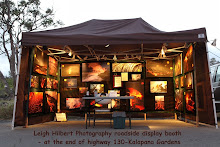
The photo above was taken last night directly behind my lava photo display booth, which is located at the visitors parking area for the Hawaii County lava-viewing hike down highway 130. This image, taken at 7:50 PM with a 16mm camera lens, shows the surface lava reflecting into low clouds across the top edge of the pali above the old Royal Gardens subdivision, as well as the surface lava glowing into its own fumes. The bright star is the planet Venus.

The photo below, taken from the near same spot at 10:00 PM shows the same scene except Venus has set and we see my lens has turned the setting crescent moon into a large star ;)


Shown in the graph below, and as I indicate in my title, a serious drop in magma pressures continues for a second day as registered by the USGS/HVO tilt monitors at both Halema’uma’u and Pu`u O`o craters, as pictured below at 9:30 this morning. According the USGS Kilauea update status page, this drop in magma pressure has already registered as a lessoning of activity within the two active craters. It may also slow down the advancing surface flow of lava we have begun to watch along the upper mountain ridge these past few days.

This surface lava is being fed by lava tubes from the TEB eruption site far above the edge of the pali where the lava is resurfacing as A`a and pahoehoe breakouts.

There are no active lava breakouts on coastal flats and no ocean entry lava at this time.

I will update these blog postings next when there are some significant changes or newsworthy reports to offer you :)

Active lava viewing prospects for the public:
1) The Halema’uma’u crater has been degassing sulfur dioxide fumes by day and glowing strongly at times after dark from lava deep within the craters pit vent. Great views are from the Jaggar Museum balcony within the Hawaii Volcanoes National Park, depending on the weather; the park is open to the public 24 hours a day.

2) Coastal viewing: A one mile walk to the very end of highway 130; this is the same location where lava came onto the highway there on May 5th, 2010 but the lava there has now cooled, though is still hot a short distance away. The lava fuming/degassing can be seen coming down the distant pali during the day. After dark lava glow can possibly be seen in two or three places high atop the mountain slopes.

Official viewing hours are from 2:00 PM until around 9/9:30 PM - everyday, with last car allowed in at 8:00 PM. On site are security personnel, a few port-o-potties at both the parking lot and at the end of the road, vendors occasionally have drinking water but it is best to bring some with you and also some decent walking shoes. The road is open to all traffic on all other hours.